How Contemporary Criticism Rewrites the Bard

William Shakespeare survives not because he is timeless in a mystical sense, but because each age reinterprets him. Modern literary theory has repeatedly reshaped Shakespeare, turning his plays into laboratories of power, language, gender, psychology, and ideology.
What follows is a structured overview of how major twentieth- and twenty-first-century theories have interpreted Shakespeare.
1. Formalism and New Criticism
Shakespeare as Organic Unity
Early twentieth-century critics treated Shakespeare as a master craftsman of structure, imagery, and paradox. The focus was:
• Internal coherence
• Symbolic patterns
• Irony and ambiguity
• Organic unity
For example, King Lear was studied through recurring imagery of blindness and sight.
Macbeth was examined for its pattern of darkness and blood imagery.
The emphasis was on the text itself, not historical context.
Contribution: Close reading discipline.
Limitation: Ignores politics and historical conditions.
2. Psychoanalytic Criticism
Shakespeare and the Unconscious
Freudian and later Lacanian critics read Shakespeare as dramatizing unconscious desire and repression.
The most famous example:
Hamlet
Freud interpreted Hamlet’s hesitation through the Oedipus complex—Hamlet unconsciously identifies with Claudius’ desire for the mother.
In Othello, jealousy becomes pathological projection.
In King Lear, madness reflects psychological breakdown.
Lacanian critics focus on language and fragmented identity—Hamlet becomes a subject divided by symbolic order.
Contribution: Psychological depth.
Limitation: Risk of reducing drama to clinical case study.
3. Marxist Criticism
Shakespeare and Ideology
Marxist critics explore class, power, and material structures.
The Tempest becomes a text about labor and colonial domination (Prospero and Caliban).
Coriolanus reveals tension between aristocracy and plebeians.
The histories expose the construction of national ideology.
Shakespeare is seen not as neutral genius but as participating in ideological formation.
Contribution: Political dimension of drama.
Limitation: Sometimes reduces complexity to class struggle.
4. New Historicism
Shakespeare in Cultural Power Networks
Developed in the late twentieth century, New Historicism situates Shakespeare within Renaissance power structures.
Rather than viewing the plays as timeless, critics examine:
• Monarchical authority
• Religious conflict
• Colonial expansion
• Court politics
The Tempest reflects anxieties of empire.
Richard II dramatizes fragile sovereignty.
The text and its historical moment are read as mutually shaping.
Contribution: Contextual richness.
Limitation: May blur distinction between art and political document.
5. Feminist and Gender Criticism
Shakespeare and Patriarchy
Feminist critics re-evaluate female characters.
Ophelia becomes symbol of silenced womanhood.
Lady Macbeth becomes site of gender anxiety.
Portia in The Merchant of Venice reveals gender performance.
Gender studies expand further:
Cross-dressing comedies like Twelfth Night destabilize fixed identity.
Judith Butler’s theory of gender performativity influenced readings of Shakespeare’s fluid identities.
Contribution: Recovery of marginalized voices.
Limitation: Sometimes risks reading modern gender politics into early modern context.
6. Postcolonial Criticism
Shakespeare and Empire
Postcolonial critics focus especially on The Tempest.
Caliban becomes colonized subject.
Prospero becomes imperial authority.
Language becomes tool of domination.
Shakespeare is placed within early modern expansionist ideology.
Global adaptations (Caribbean, African, Indian) further reinterpret Shakespeare as colonial and postcolonial text.
Contribution: Global and political perspective.
Limitation: May impose later imperial frameworks on earlier stage.
7. Structuralism and Poststructuralism
Shakespeare and Language
Structuralist critics analyze narrative patterns and binary oppositions.
Poststructuralist critics question stable meaning.
In Hamlet:
• Meaning becomes unstable.
• Language produces delay.
• Identity is fragmented.
Derridean readings emphasize ambiguity, undecidability, and textual instability.
Contribution: Awareness of linguistic complexity.
Limitation: Can detach play from human emotion.
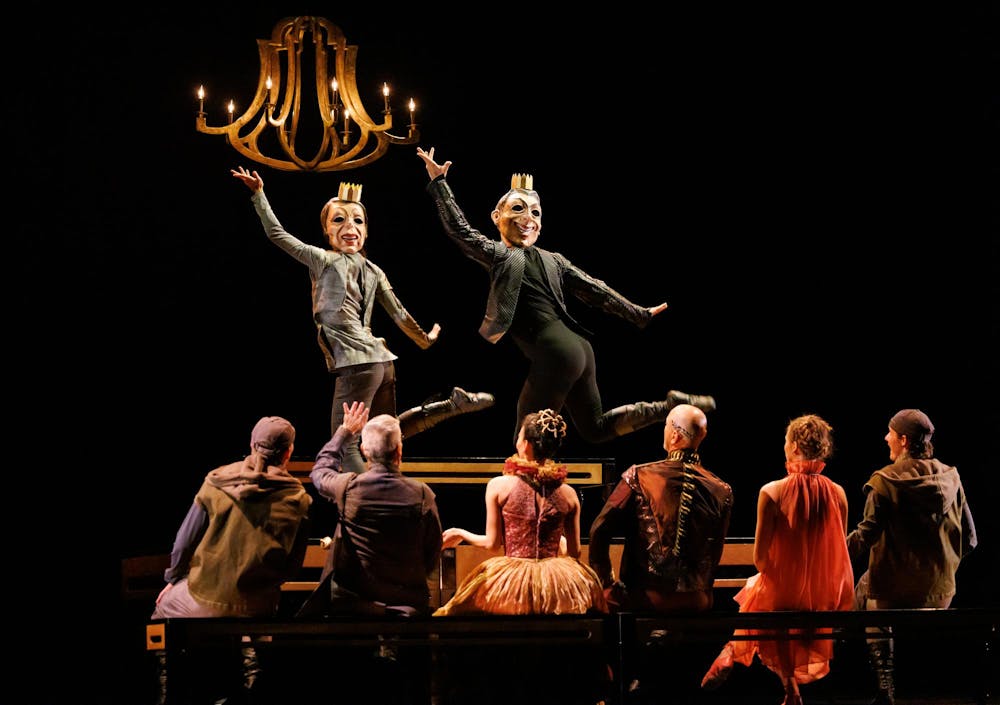
8. Performance Theory
Shakespeare as Theatre, Not Text
Performance studies remind us:
Shakespeare wrote for stage, not page.
Meaning shifts depending on:
• Actor interpretation
• Audience context
• Historical staging
Modern productions reinterpret:
• Race in Othello
• Gender in cross-cast productions
• Politics in Julius Caesar
Shakespeare becomes living theatre rather than fixed text.
9. Ecocriticism and Emerging Approaches
Recent criticism examines:
• Nature and environment (King Lear’s storm)
• Animal imagery
• Ecological crisis
Other emerging areas include:
• Digital humanities
• Cognitive literary studies
• Affect theory
Shakespeare continues to generate new interpretive frameworks.
Comparative Summary
New Criticism → Unity and imagery
Psychoanalysis → Desire and repression
Marxism → Class and ideology
New Historicism → Cultural power structures
Feminism → Gender and patriarchy
Postcolonialism → Empire and language
Poststructuralism → Instability of meaning
Performance Theory → Theatre as event
Each theory does not replace the previous one. Instead, Shakespeare becomes layered with interpretive possibilities.
Final Perspective
Shakespeare is not “great” because he escapes theory. He is great because theory continually returns to him.
Each modern framework reveals a different Shakespeare:
• The psychological Shakespeare
• The political Shakespeare
• The feminist Shakespeare
• The colonial Shakespeare
• The linguistic Shakespeare
His works function as interpretive mirrors. They reflect the questions each era asks.