
The Brothers Karamazov by Fyodor Dostoevsky stands not merely as a psychological and theological novel but as a monumental cultural synthesis of nineteenth-century Russia. Published at a moment of ideological ferment—after the emancipation of the serfs (1861), amid rising radicalism, and before the revolutionary upheavals of the twentieth century—the novel functions as a microcosm of Russian spiritual, intellectual, and social crisis.
To read The Brothers Karamazov as a representation of Russia is to understand the Karamazov family not simply as individual characters but as symbolic embodiments of competing Russian tendencies: sensualism, rationalism, mysticism, skepticism, revolutionary agitation, Orthodox spirituality, and moral suffering.
I. The Karamazov Family as National Allegory
At the center of the novel stands Fyodor Pavlovich Karamazov—a grotesque, debased father figure whose moral corruption mirrors what Dostoevsky perceived as Russia’s spiritual disintegration. He is lecherous, irresponsible, and cynical. His paternity is biological rather than ethical.
If Fyodor Pavlovich represents a degraded social order, his sons represent divergent futures for Russia:
- Dmitri (Mitya): passion, impulsiveness, chaotic vitality
- Ivan: intellectual skepticism and rational doubt
- Alyosha: spiritual humility and Orthodox faith
- Smerdyakov: ressentiment, nihilistic resentment
The Karamazov household thus becomes allegorical stage upon which Russia’s ideological struggles are dramatized.
II. Russia Between Faith and Rationalism
Nineteenth-century Russia was divided between Slavophiles, who emphasized Orthodox spirituality and communal identity, and Westernizers, who advocated European rationalism and secular modernity.
Ivan Karamazov articulates the crisis of faith. His famous “Rebellion” chapter rejects divine harmony purchased at the cost of innocent suffering. The parable of “The Grand Inquisitor” presents a Christ who returns to earth only to be imprisoned by the Church. Authority, Ivan suggests, thrives not on truth but on control.
In Ivan’s intellectual rebellion, Dostoevsky stages Russia’s confrontation with European secular philosophy—particularly rationalism and atheism. Ivan embodies the attraction and danger of Western thought.
In contrast, Alyosha represents Dostoevsky’s vision of redemptive Russian spirituality. His mentor, Elder Zosima, articulates a theology grounded in humility, universal responsibility, and active love. Zosima’s teachings evoke a distinctly Russian Orthodox ethos, contrasting with Roman Catholic authoritarianism depicted in the Grand Inquisitor parable.
The novel thereby dramatizes Russia’s spiritual crossroads.
III. The Problem of Nihilism
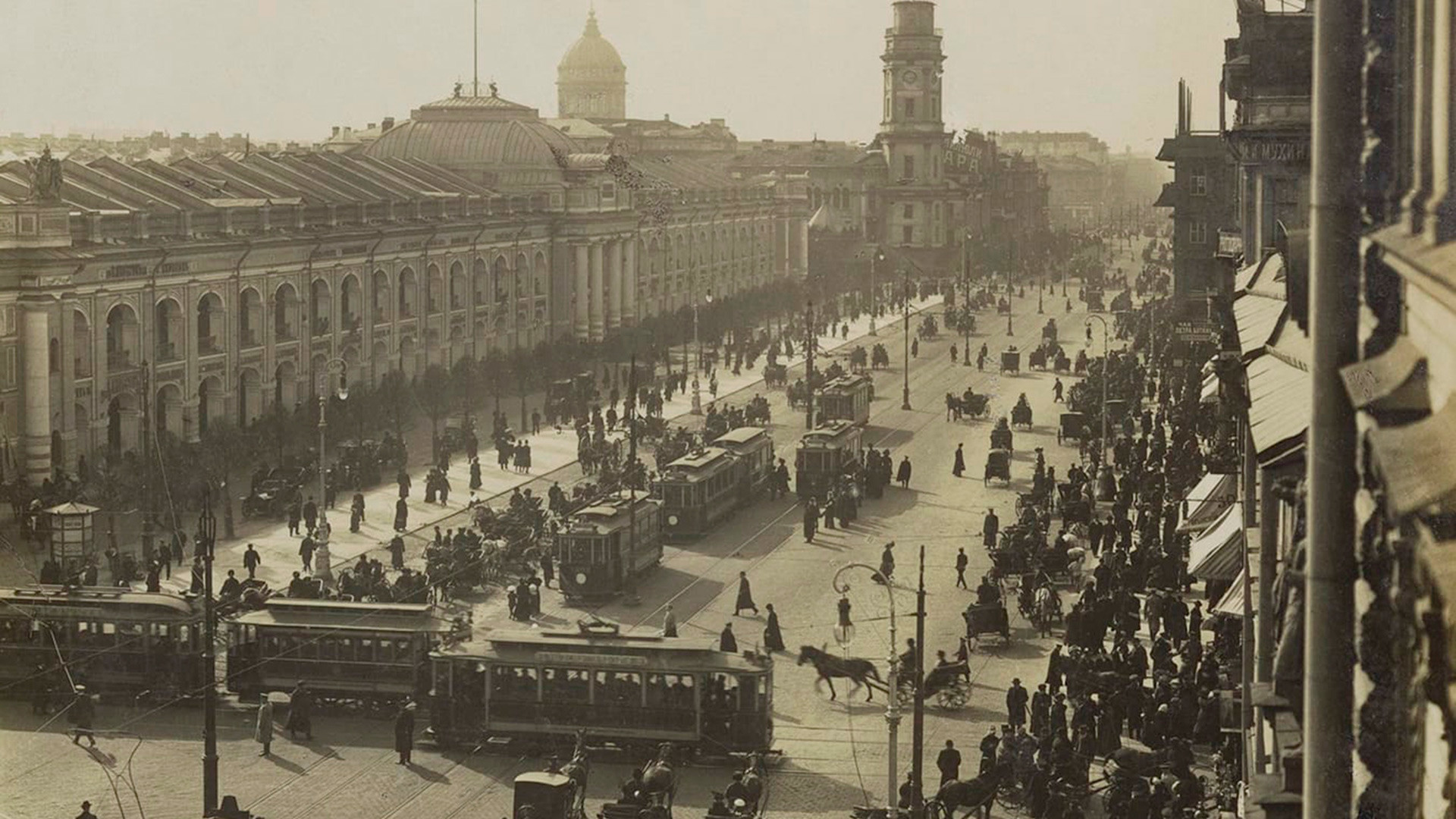
Emerging revolutionary movements in Russia rejected religious and moral authority, advocating radical social restructuring. Smerdyakov embodies this nihilistic impulse. He internalizes Ivan’s skeptical arguments but translates them into murder.
Smerdyakov’s killing of Fyodor Pavlovich is both literal crime and symbolic parricide. The father—standing for corrupted authority—is eliminated. Yet the act does not produce liberation; it yields guilt and madness.
Dostoevsky suggests that abstract rationalism, detached from spiritual grounding, can devolve into moral vacuum. Nihilism is portrayed not as political program but as existential void.
IV. The Russian Legal and Social Order
The murder trial of Dmitri Karamazov becomes national spectacle. The courtroom scenes expose the theatricality of justice and the susceptibility of public opinion to rhetoric.
The trial reflects Russia’s evolving legal reforms under Tsar Alexander II, including the introduction of jury trials. Dostoevsky uses the setting to examine the tension between Western legal modernity and Russian moral sensibility.
Public discourse becomes performance. Truth is less decisive than persuasion. Russia appears suspended between traditional communal ethics and imported judicial rationalism.
V. Suffering and Redemption as National Destiny
Dostoevsky repeatedly affirms the redemptive power of suffering—a notion deeply rooted in Russian Orthodox theology. Dmitri, though impulsive and violent, accepts the possibility of Siberian exile as purification.
Siberia, historically site of punishment, becomes spiritual horizon. Russia’s geography—vast, harsh, expansive—resonates metaphorically with its moral imagination. Exile is not annihilation but potential rebirth.
The emphasis on suffering reflects Dostoevsky’s own experience of imprisonment and near-execution. National identity, in his vision, is forged through endurance rather than triumph.
VI. The Russian Peasantry and Moral Community
Unlike Western European novels that center bourgeois life, The Brothers Karamazov repeatedly turns toward peasant characters—Grushenka’s servant, the monks, the schoolboys.
Alyosha’s relationship with the children in the novel’s closing chapters gestures toward communal regeneration. The famous exhortation to remember moments of goodness functions as moral seed for national renewal.
Dostoevsky locates Russia’s hope not in aristocratic elites or radical intellectuals but in spiritualized common life.
VII. Polyphony and Russian Plurality
Critic Mikhail Bakhtin famously described Dostoevsky’s novels as polyphonic—multiple voices coexist without being subsumed into authorial monologue. This structural plurality mirrors Russia’s ideological multiplicity.
Ivan’s atheism is not caricatured; it is articulated with intellectual seriousness. Dmitri’s passion is chaotic yet compelling. Alyosha’s faith is persuasive but not imposed.
Through polyphony, Dostoevsky stages Russia’s internal dialogue rather than dictating resolution.
VIII. Russia Between Europe and Itself
The novel repeatedly contrasts Catholic Europe and Orthodox Russia. The Grand Inquisitor symbolizes Western authoritarianism; Zosima symbolizes Eastern humility.
Dostoevsky suggests that Russia’s mission lies in spiritual synthesis rather than political imitation of Europe. Yet the novel does not present simplistic nationalism. Instead, it dramatizes tension between imitation and authenticity.
Russia appears as civilization in search of moral center.
IX. Crime, Responsibility, and Collective Guilt
One of the novel’s most radical claims is that “everyone is responsible for everyone.” Crime is never isolated act; it emerges from shared moral atmosphere.
Ivan’s intellectual skepticism indirectly enables Smerdyakov’s murder. Dmitri’s violent temperament invites suspicion. Fyodor Pavlovich’s debauchery provokes resentment.
This collective responsibility reflects Dostoevsky’s conception of Russian communal ethics—sobornost—where individuality is inseparable from moral interconnection.
Conclusion: Russia in Crisis and Aspiration
The Brothers Karamazov represents Russia at a moment of profound transition:
- Between Orthodoxy and secular rationalism
- Between communal ethics and emerging individualism
- Between spiritual mission and revolutionary agitation
The Karamazov family becomes allegory of national fragmentation. Yet the novel resists despair. Through Alyosha and the children, Dostoevsky gestures toward moral regeneration grounded in humility and compassion.
In this sense, the novel is not merely psychological drama or theological treatise; it is cultural anatomy of Russia itself—a nation wrestling with faith, doubt, modernity, and destiny.
Dostoevsky does not resolve Russia’s contradictions. He stages them. And in that staging, The Brothers Karamazov becomes one of the most profound literary representations of national identity in crisis.